
Complex Aortic Care
Specialist expertise in complex aortic disease
The aorta is the largest artery in the body. It carries blood from the heart to the rest of the body, making it one of the most important blood vessels in the circulatory system.
When the aorta becomes enlarged, weakened, narrowed or diseased, it can become a serious and sometimes life-threatening condition. Some aortic conditions are straightforward to monitor, while others are highly complex and require specialist expertise.
Vascular Medical Group is built around advanced experience in vascular, endovascular and complex aortic care, with particular focus on conditions affecting the aortic arch, thoracoabdominal aorta, suprarenal aorta and complex aneurysm disease.
Specialist complex aortic care for aneurysm, dissection and advanced aortic disease
What is complex aortic disease?
Aortic disease can affect different parts of the main artery. In some patients, the diseased area is close to major branches that supply blood to the brain, kidneys, bowel, spinal cord or legs. This makes assessment and treatment more complex. Complex aortic disease may include aneurysms, dissections, narrowing, or other conditions affecting difficult areas of the aorta. An aneurysm is an abnormal enlargement or ballooning of an artery. If an aneurysm grows too large, it may carry a risk of rupture. A dissection occurs when a tear develops within the wall of the aorta, which can affect blood flow and require urgent specialist assessment. Because these conditions can involve major blood vessels and vital organs, decisions about monitoring or treatment must be made carefully.
Why specialist care matters
Complex aortic care is not usually managed by one doctor alone. It often requires a multidisciplinary team, meaning several specialists work together to assess the safest and most appropriate approach.
This may include vascular surgeons, cardiothoracic surgeons, interventional radiologists, anaesthetists, intensive care doctors, imaging specialists and, in some cases, genetics specialists.
Specialist care matters because every patient’s anatomy, risk profile and treatment options are different. The right decision depends on detailed imaging, careful planning and experience in managing high-risk vascular conditions.
Areas of focus
Aortic aneurysm assessment
Aortic arch disease
Thoracoabdominal aortic aneurysms
Suprarenal aortic aneurysms
Complex endovascular planning
Open and hybrid aortic approaches
Second opinions for complex vascular cases
Long-term surveillance and referral guidance
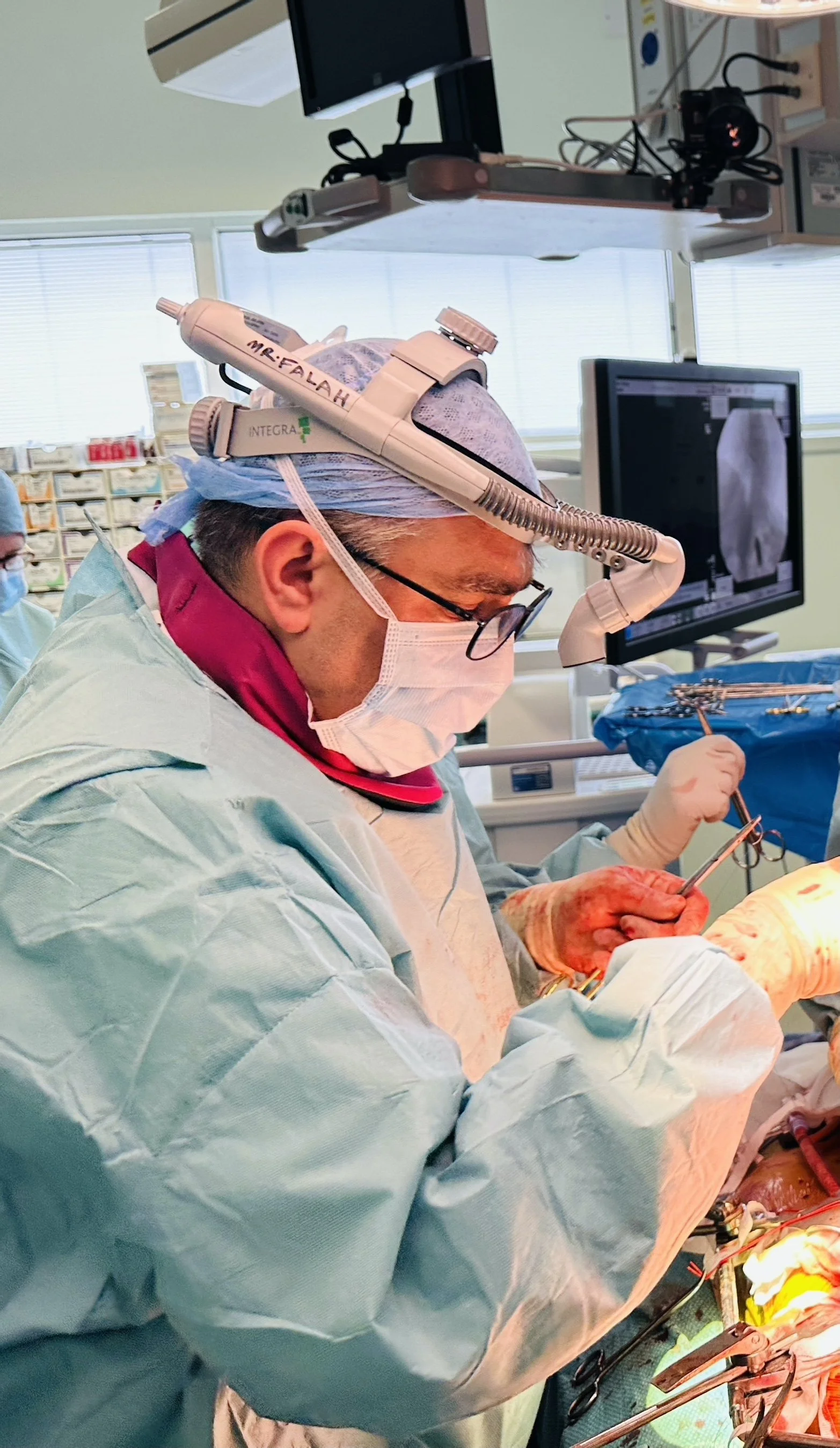
Led by specialist clinical experience
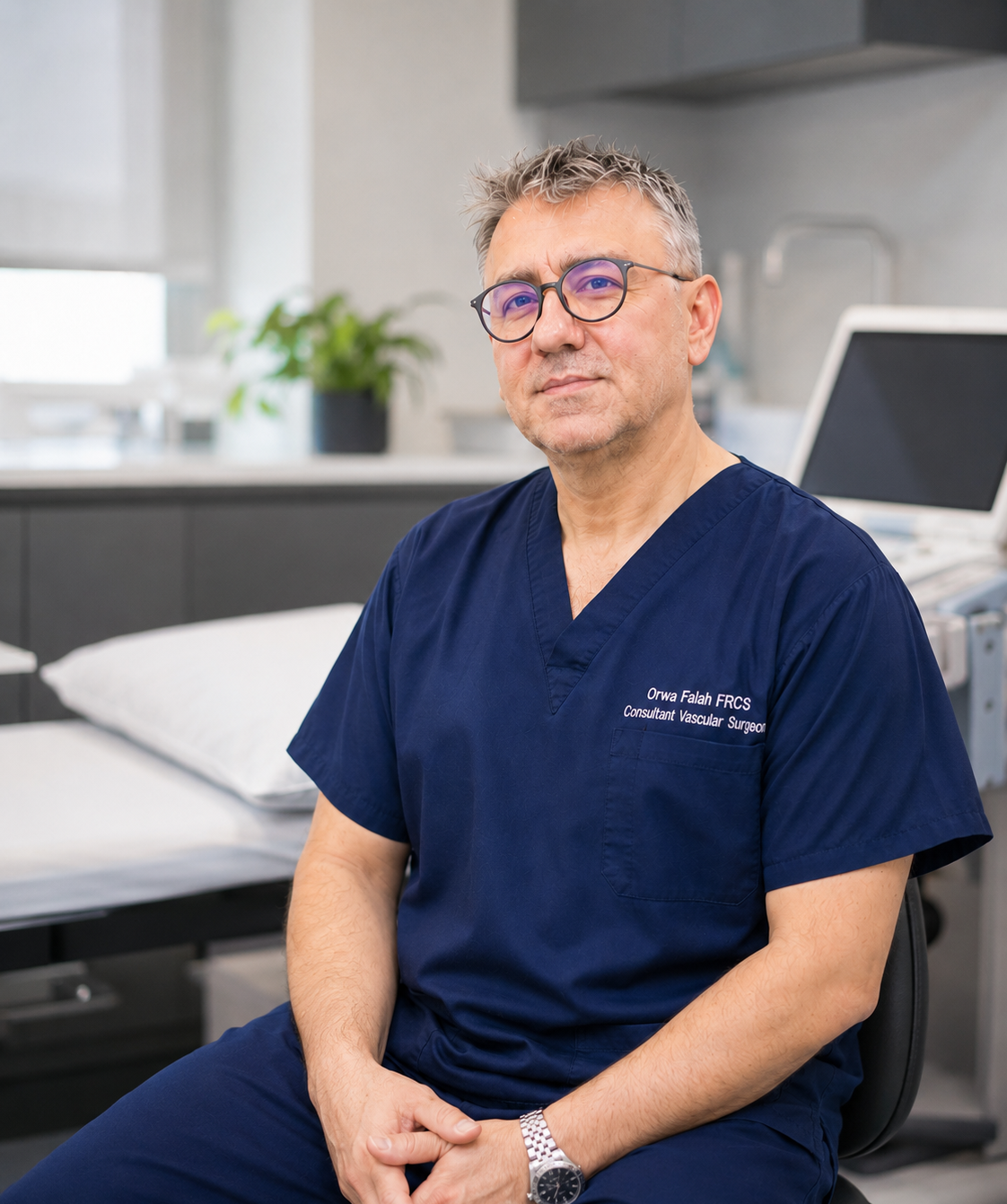
Mr Orwa Falah is a Consultant Vascular & Endovascular Surgeon at the Royal Infirmary of Edinburgh and Lead Clinician for the Scottish National Service for Aortic Arch, Thoracoabdominal and Suprarenal Aortic Aneurysms.
His work involves the assessment and management of highly complex vascular and aortic conditions within a specialist multidisciplinary environment.
Through his clinical role, academic involvement and international collaboration, Mr Falah brings advanced specialist expertise to VMG’s clinical and strategic work.
Treatment and decision-making
Not every aortic condition requires immediate treatment.
Some patients need regular monitoring, lifestyle guidance and imaging follow-up.Others may require planned intervention or urgent specialist referral.
Treatment options can include open surgery, endovascular repair, hybrid approaches or continued surveillance, depending on the location, size and complexity of the disease.
Seeking a specialist opinion
Patients, clinicians and healthcare partners may contact VMG for specialist vascular assessment, second opinions or collaboration relating to complex aortic and advanced vascular care.
This page is for general educational information only and does not replace specialist medical assessment.